Case Study: Revenue Engine Automation on HubSpot

How Arise GTM Built an Automated Sales Process for DSMN8 to Eliminate Pipeline Leakage

Turning a fragmented HubSpot setup into a structured, automated revenue engine with clear visibility and control.
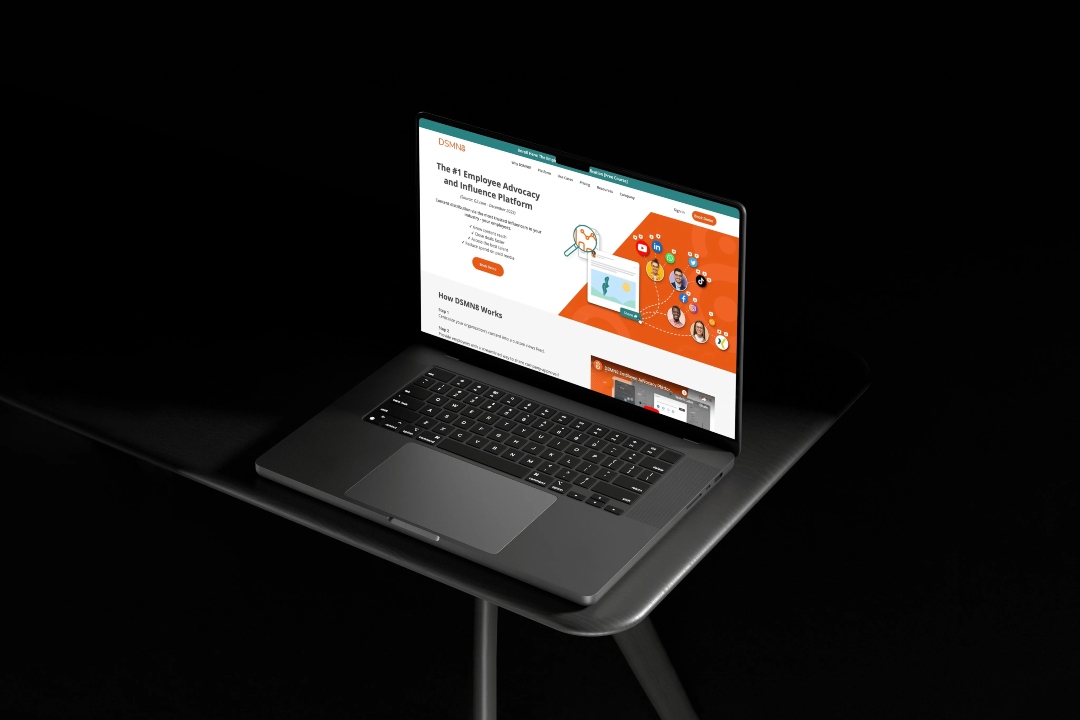
DSMN8 mockup-min

Overview

DSMN8, a B2B employee advocacy platform, had growth momentum — but their sales infrastructure wasn’t built to scale.

Manual processes, inconsistent pipeline tracking, and limited automation were creating blind spots across the funnel. Leadership needed a clearer, cleaner sales motion built directly inside HubSpot.

Arise GTM was engaged to redesign and automate DSMN8’s sales process, ensuring visibility, control, and consistency across every deal stage.

The Problem

DSMN8’s HubSpot instance wasn’t broken — but it wasn’t engineered for performance.

Challenges included:

  • Manual updates slowing down pipeline management
  • Limited automation between lifecycle stages
  • Inconsistent deal tracking
  • Risk of leads leaking between marketing and sales
  • No structured performance visibility across the pipeline

Without automation and structure, revenue forecasting and scaling become guesswork.
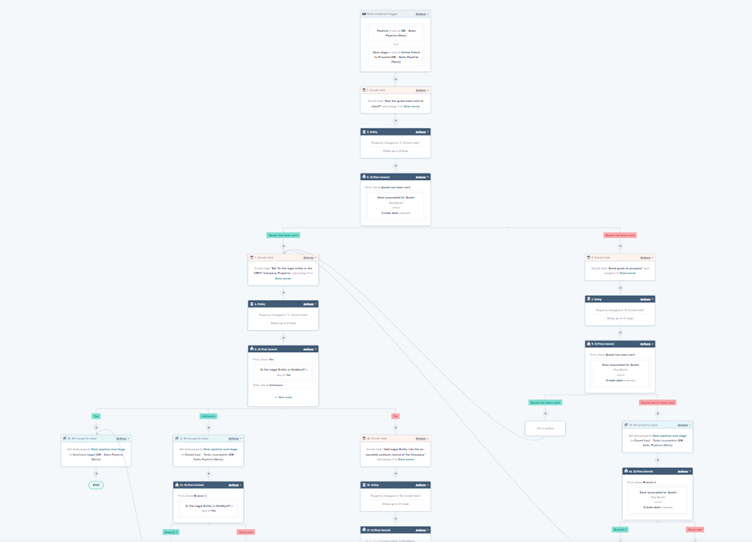
dsmn8 hubspot workflow-png

Objectives

The engagement focused on three core outcomes.

This was not a CRM tidy-up.
It was a sales engine rebuild.

Design a clean, scalable sales process inside HubSpot

Eliminate manual friction across deal stages

Create visibility into performance and conversion leakage

The Strategic Insight

Office Work

Automation is not about saving clicks.
It’s about removing revenue risk.

The core insight was that DSMN8 didn’t need more sales activity — they needed:

A defined, automated process that ensured no deal moved forward without structure.

So instead of layering automation on top of chaos, we rebuilt the system properly.

Our Approach

1. Sales Process Architecture

  • Re-mapped the full sales journey from first touch to closed deal
  • Identified friction points and pipeline leakage
  • Designed a structured, stage-based deal process aligned to real selling behaviour
Personalized_Learning

2. Lifecycle & Automation Design

  • Built automated workflows across lifecycle stages
  • Ensured no lead could bypass critical qualification steps
  • Removed manual status updates where possible
  • Created structured handoffs between marketing and sales

3. Performance Visibility

  • Implemented dashboards to track deal progression
  • Identified where opportunities stalled
  • Gave leadership visibility into conversion rates and velocity
purchase
Gamification_Learning

4. Quality Control

  • Ensured data hygiene across the CRM
  • Prevented incomplete deal progression
  • Standardised reporting outputs

Results

  • Fully automated sales pipeline built inside HubSpot
  • Reduced manual admin for sales team
  • Improved data accuracy and reporting clarity
  • Increased confidence in revenue forecasting
  • Clear visibility into stage-by-stage conversion

The outcome wasn’t just automation.

It was a controlled, measurable revenue engine.

“If you're looking for a trusty HubSpot partner, please don’t hesitate to get in touch with Arise (formerly BIAS).”

Jody Leon CMO, DSMN8

Why This Case Study Matters

Most HubSpot implementations focus on configuration.

This one focused on:

  • Revenue process integrity
  • Pipeline control
  • Automation discipline
  • Sales scalability

If your CRM is live but not performing, you don’t need more tools.
You need process engineering.
Trend

Build a Sales Engine That Doesn’t Leak Revenue

If your HubSpot setup isn’t driving performance, we help you engineer the process properly.